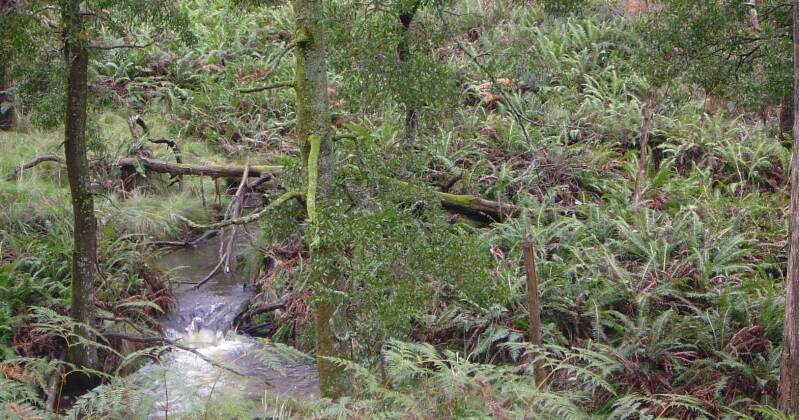
Loris Duclos: a life connected to the Environment, the Wombat Forest and Beyond
Loris Duclos: A Life of Environmental Investigation, Forest Conservation and Community Advocacy
An environmental biography spanning the Wombat Forest, East Gippsland, Friends of the Earth, the Australian Conservation Foundation, environmental law, sustainable forestry, ecological restoration and the protection of Victoria's waterways and communities.
Introduction — The conservationist who challenged the evidence
The environmental history of Victoria during the closing decades of the twentieth century is often told through the public confrontations that accompanied the struggle over native forests: logging trucks and protest camps, forest blockades, political rallies, government inquiries and the competing demands of conservationists and timber workers. Yet some of the most consequential work occurred far from these highly visible disputes. It took place in the examination of forestry records, the reconstruction of logging histories, the analysis of timber volumes, the interpretation of environmental legislation and the painstaking comparison of government promises with what was actually happening in the forest. Loris Duclos became one of the most important regional practitioners of this form of environmental investigation. Her contribution to Victorian conservation was distinguished by an insistence that environmental arguments should be supported by evidence capable of withstanding technical, administrative and political scrutiny. Rather than simply condemning environmentally damaging activities, she sought to establish how they occurred, which rules governed them, whether those rules were being observed and what changes were required to prevent their continuation.
Duclos's environmental career developed through an unusually wide range of activities. Beginning with the protection of local waterways in the Dandenong Ranges, she became involved with Friends of the Earth, investigated forestry practices that resulted in environmental enforcement proceedings, and subsequently became a central researcher with the Wombat Forest Society. During the 1990s she helped develop the Society's forest auditing systems and worked with Tim Anderson and other researchers to challenge the calculations used by the Victorian Government to justify native forest timber allocations. Her investigations extended into East Gippsland through the Tambo Environment Awareness Group and into national forest policy through consultancy work associated with the Australian Conservation Foundation. She contributed to parliamentary inquiries, forestry reviews, debates over plantation management and the development of more rigorous approaches to forest monitoring. Her later work broadened into ecological restoration, environmental planning disputes, groundwater protection and the preparation of expert evidence for legal proceedings. Across these different activities ran a consistent principle: communities should not have to accept the technical claims of governments or industries without being able to examine the information upon which those claims rested.
Her significance has also been recognised in historical scholarship. In her examination of the Wombat Forest Society, published in Australia's Ever-Changing Forests V, Anitra Nelson identified Duclos and Anderson as important contributors to the development of sophisticated methods for checking departmental forestry information. Nelson described how the Society combined electronic analysis of government records with local knowledge obtained from timber workers, residents and people who had known the forest over many decades. This combination strengthened the Society's political influence and helped bring its research into wider public debate, including prominent coverage in The Age during February and March 2001. The importance of this assessment is that it locates Duclos's contribution within a broader change in environmental campaigning. The Society was not merely contesting the environmental effects of logging; it was questioning the reliability of the administrative and scientific machinery through which logging was authorised.
foresthistory.org.au
The distinctive character of Duclos's environmental work also lay in her refusal to treat conservation as a simple choice between human use and absolute exclusion. She opposed destructive logging, challenged unsustainable timber allocations and defended biodiversity and water catchments, while also recognising the importance of forest-dependent communities and the possibilities of carefully managed forestry. As the legacy of intensive harvesting became more apparent, her attention increasingly turned towards the restoration of damaged forests and the development of more ecologically responsible management systems. This position sometimes placed her at odds with environmental organisations advocating protected-area status as the principal solution to forest degradation. For Duclos, the fundamental measure of conservation was not the designation applied to a forest but its ecological condition, the quality of its management and the capacity of that management to sustain biodiversity, water, soils and functioning ecosystems into the future.
The beginnings — Cockatoo Creek, Friends of the Earth and environmental accountability, 1989–1994
Duclos's environmental involvement began in the protection of waterways and the recognition that local environmental problems were inseparable from wider questions about land management and government responsibility. Between 1989 and 1991 she was a founding member of Friends of Cockatoo Creek, a community initiative concerned with the condition and protection of a waterway in the Dandenong Ranges. This early involvement provided an introduction to the practical difficulties confronting residents who sought to protect their local environment. Water pollution, land clearing, drainage, erosion and forestry operations could not be understood simply by examining the immediate site of damage. They required investigation of surrounding land uses, catchment processes, government approvals and the responsibilities of public authorities. The experience encouraged the approach that would become central to her later work: tracing environmental damage to its sources and establishing whether the activities responsible complied with the regulations intended to protect the natural environment.
During the early 1990s, Duclos became increasingly involved with Friends of the Earth, an organisation whose approach to environmental campaigning encompassed ecological protection, community participation and scrutiny of government and corporate decision-making. In 1993 she commenced studies in Natural Resource Management at the School of Mines in Ballarat, receiving an Award of Excellence that year. She subsequently pursued further studies part-time, including at Forestech near Lakes Entrance, while continuing her family responsibilities and community work. This combination of formal education and practical investigation was important. Duclos was not approaching environmental questions exclusively through academic research, nor was she relying solely upon the observations and experiences of local campaigners. She was developing the ability to move between the two, using scientific and technical knowledge to investigate problems first encountered through community involvement.
In 1993–1994 she worked as a Friends of the Earth project officer on the Melbourne Water Sewerage Strategy Review. The assignment brought her into contact with the complicated relationship between infrastructure planning, water quality, catchment protection and environmental regulation. Sewerage and drainage systems, like forestry operations, were governed by technical standards and administrative decisions that were frequently difficult for ordinary citizens to scrutinise. Her involvement reinforced the importance of examining the assumptions underlying official planning documents and of ensuring that environmental impacts were not dismissed merely because a proposal had been developed or endorsed by a government agency. By 1994, Duclos had begun applying these principles directly to forestry, where the consequences of inadequate regulation could extend across entire catchments and persist for decades.
A contemporary account of a 1994 forest strategy discussion recorded Duclos speaking for Friends of the Earth about the environmental consequences of clear-felling in the Wombat Forest, particularly concerns about water quality and the adequacy of catchment protection. Her participation demonstrates that her interests had already extended beyond the Dandenong Ranges into the wider Victorian debate over native forest management. The central issue was whether forests were being managed for their full range of environmental and community values or primarily for the production of timber. Duclos's subsequent investigations would turn this broad question into a series of detailed examinations of forestry practices, government records and environmental obligations.
greenleft.org.au
McCraes Creek — Turning environmental investigation into legal enforcement
One of the formative episodes in Duclos's environmental career occurred in February 1994, when her investigation of forestry operations in the McCraes Creek catchment in the Dandenong Ranges identified activities that raised serious questions about compliance with Victoria's environmental protection requirements. The investigation began as part of her wider work associated with Cockatoo Creek and developed into a detailed examination of logging practices and their potential consequences for water quality and catchment stability. Among the matters examined were streamside protection buffers, forest road construction, drainage, creek crossings, seasonal restrictions on logging, steep-slope operations and the relationship between harvesting activities and the applicable forest utilisation plan. These were not peripheral administrative details. They were the practical mechanisms through which forestry regulation was supposed to protect waterways, soils and adjoining environments from the consequences of timber harvesting.
The investigation demonstrated the value of distinguishing between opposition to logging as a land use and the examination of particular logging operations against legally established standards. Forestry authorities could defend timber harvesting as a legitimate activity, but that did not answer the separate question of whether a contractor was complying with the conditions under which harvesting was permitted. Duclos's work concentrated on the second question. By identifying particular sites, recording the circumstances of operations and examining the relevant prescriptions, she helped provide the factual basis for a legal challenge undertaken by Friends of the Earth with assistance from the Environment Defenders Office. An application for an enforcement order against S.T.Y. Afforestation was lodged in December 1994, and the Victorian Administrative Appeals Tribunal made an enforcement order in October 1995 following a hearing and site inspection. Subsequent monitoring and legal activity addressed questions about compliance with the order.
The McCraes Creek proceedings were significant in Duclos's development because they demonstrated that environmental regulation could be made meaningful through independent investigation and legal enforcement. A forestry code or catchment protection requirement offered little practical protection if breaches went undetected or were not acted upon. The work of gathering evidence therefore became as important as the existence of the regulation itself. Duclos's role lay in the initial discovery and investigation, while Friends of the Earth and its legal representatives pursued the formal proceedings. Together, these contributions demonstrated how local observations, environmental expertise and legal institutions could be combined to challenge forestry practices. The experience established a method that Duclos would apply repeatedly over the following decades: inspect the activity, reconstruct the relevant facts, identify the governing requirements and bring the evidence before those with the authority to act.
Environmental law and the Environment Defenders Office
Duclos's association with the Environment Defenders Office in Victoria developed from this practical understanding of the importance of environmental law. Her involvement with the organisation's board connected her experience as a regional investigator and community advocate with an institution dedicated to improving public access to environmental legal assistance. The significance of that relationship lay in the difficulties faced by communities attempting to challenge decisions made by governments, forestry agencies and development proponents. Environmental legislation was often complicated, technical information was difficult to obtain, and professional legal advice could be prohibitively expensive. Even when residents possessed detailed knowledge of their local environment, they frequently lacked the resources to present that knowledge in a form recognised by courts, tribunals or government authorities.
Duclos brought to environmental legal advocacy the perspective of someone who had worked directly with these problems. Her experience showed that environmental disputes were rarely resolved by law alone. A successful challenge also required accurate field observations, reliable records, an understanding of the relevant science and the ability to demonstrate how a particular activity affected the environment. The Environment Defenders Office provided an institutional connection between these forms of community investigation and the legal mechanisms through which environmental obligations could be enforced. Duclos's involvement reflected her conviction that access to environmental justice should not depend upon the financial resources or professional connections of those seeking protection. Communities needed the ability to question government decisions, obtain independent advice and require public authorities and private operators to meet their responsibilities.
This concern with environmental accountability remained a constant feature of her work. Whether examining forestry regulations, timber allocations, plantation operations or planning decisions, Duclos approached environmental law as a practical instrument for testing claims and obligations. The essential question was not simply whether a government had announced a conservation policy or whether a developer had obtained approval, but whether the environmental protections contained in the relevant rules were being implemented in practice. That emphasis on compliance, evidence and accountability became one of the defining characteristics of her contribution to the Wombat Forest Society.
The Wombat Forest Society — From local conservation to systematic forest investigation
When Duclos became involved with the Wombat Forest Society in 1994, the organisation was confronting a forestry system that had transformed extensive areas of central Victoria's Wombat State Forest. The forest had a long history of disturbance associated with gold mining, timber harvesting, settlement and subsequent forest regeneration, but the industrial harvesting practices of the late twentieth century presented a new set of environmental concerns. Shelterwood harvesting, regeneration burning, the removal of mature trees and the expansion of woodchipping were changing forest structure and raising serious questions about wildlife habitat, catchment protection and the sustainability of timber production. The Society's membership drew upon an unusually broad range of local experience, including conservationists, field naturalists, timber workers, retired loggers, sawmillers and residents whose families had long-standing connections with the forest. This diversity provided both an opportunity and a challenge. Members shared concern about the forest's future, but they did not necessarily agree about the place of timber harvesting within it. The Society's developing approach was to concentrate on the environmental standards and evidence that could establish common ground across those differences.
Duclos initially worked on water-related research, examining the effects of forestry on catchments and the protection of the region's distinctive mineral springs. The Wombat Forest was not simply a timber resource. Its vegetation and soils formed part of the catchment systems supplying surrounding communities, while its groundwater systems contributed to the mineral springs for which Daylesford and Hepburn Springs were internationally recognised. Logging operations could affect these values through changes to vegetation cover, soil disturbance, erosion, sediment movement and the construction of roads and drainage systems. For Duclos, the relationship between forestry and water provided a practical starting point for examining the consequences of forest management. It also exposed the inadequacy of evaluating forestry solely through the volume of merchantable timber that could be harvested. Water supply, wildlife habitat, soil protection, landscape stability and the continuing health of forest ecosystems were environmental and economic values in their own right.
As the Society's research developed, Duclos became closely associated with Tim Anderson in the investigation of government forestry data and the development of independent methods for examining harvesting practices. Their collaboration combined different but complementary forms of analysis, bringing together forest records, timber volumes, sustainable-yield calculations and the practical observations of local people familiar with the forest. The importance of their work was that it moved the Society beyond the familiar exchange of opposing claims about logging. The government maintained that timber harvesting was regulated and sustainable; the Society sought to examine the evidence supporting those assurances. Rather than relying entirely upon the visible damage left by harvesting operations, its researchers began reconstructing the historical and numerical basis of forest management decisions.
This work required considerable persistence. Government forestry information was distributed across forest management plans, wood utilisation plans, coupe schedules, inventory reports, harvesting records and departmental correspondence. Records prepared for internal management did not necessarily provide a clear picture of what had happened across an entire forest over time. Different classifications of timber, changing forest boundaries, inconsistencies in reporting and the separation of planning information from actual harvesting results made independent examination difficult. Duclos's contribution was to bring this information into a more systematic form, allowing the Society to compare different sources and identify discrepancies. The resulting work became a central element of the Society's conservation strategy and contributed to its growing reputation as a regional organisation capable of challenging forestry authorities on technical grounds.
Developing the forest auditing system — Making government forestry records accountable
One of Duclos's most substantial achievements was the development of a computer-based forest auditing and logging-history system that enabled the Wombat Forest Society to reconstruct harvesting activity and examine proposed operations against the requirements of forest management plans. The system brought together information about forest blocks, compartments, logging coupes, harvesting years, areas harvested, timber grades and recorded or estimated timber volumes. These details were important because the environmental consequences of forestry could not be assessed properly without understanding the history of individual sites. A compartment described as available for harvesting might already have experienced substantial disturbance, while a management area designated for wildlife protection could contain a history of previous logging that affected its ability to provide the habitat for which it had been reserved.
The system gave the Society a means of answering questions that would otherwise have depended upon departmental explanations. It could establish which areas had been harvested, when operations had occurred, what timber volumes had been recorded and how those operations related to subsequent harvesting proposals. It also allowed members to examine the relationship between forest utilisation plans and the condition of the forest on the ground. This was especially valuable in a forest where intensive harvesting and regeneration practices had created a patchwork of young regrowth, disturbed sites and remaining mature stands. By assembling records over successive years, Duclos helped convert the history of individual logging coupes into evidence about the cumulative effects of forestry.
The value of the auditing system was demonstrated in the investigation of proposed logging within a Powerful Owl Management Area near Bullarto. Powerful Owls depend upon forest habitat containing suitable nesting and roosting sites, including large hollow-bearing trees, and their protection requires attention to the structure and continuity of habitat across a substantial area. The Wombat Forest Society examined the proposed operation against the applicable management prescriptions and used Duclos's logging-history records to investigate earlier harvesting within the designated protection area. Its analysis identified approximately seven hectares of previous logging that the Society considered inconsistent with the permitted disturbance arrangements. The issue was not simply whether the proposed operation would remove more trees. It concerned the cumulative effect of earlier harvesting and the obligations attached to an area specifically identified for threatened-species protection.
The Society's response illustrated the practical application of its evidence-based approach. Rather than beginning with confrontation, members contacted the logging contractor, explained the findings and requested that operations be delayed while the matter was investigated. The contractor agreed to wait. The episode demonstrated the importance of treating contractors as participants in a regulated system rather than assuming that responsibility for disputed operations rested entirely with the people operating harvesting machinery. It also showed how detailed environmental auditing could create opportunities for resolving conflicts before logging occurred. The Society could identify a particular management requirement, demonstrate how earlier operations affected the proposed coupe and communicate its concerns in terms directly relevant to those responsible for carrying out the work.
The wider importance of Duclos's system was that it reduced the information imbalance between government forestry agencies and community organisations. A small volunteer group could not match the staffing, funding or institutional resources of a government department, but it could develop methods for independently checking the department's own records. Local residents and timber workers contributed observations about forest conditions and harvesting history; Duclos's database allowed those observations to be compared with official information. The resulting analyses could then be presented to politicians, departmental officers, contractors and the wider community. This integration of field knowledge, historical records and computer-based analysis became a defining feature of the Society's work and one of its most important contributions to Victorian environmental campaigning.
The Society's auditing work also acquired a wider educational dimension. Its methods demonstrated that forestry monitoring need not remain an exclusively departmental function. Community researchers could learn to interpret utilisation plans, record environmental conditions, examine management prescriptions and identify issues requiring investigation. A 2000 RMIT-associated archival document concerning forest monitoring practices by Duclos and Anderson belongs to this wider effort to develop practical methods for community involvement in forestry scrutiny. The underlying principle was that meaningful public participation required more than opportunities to comment on government proposals. Communities needed access to the information and analytical skills necessary to examine those proposals independently.
Challenging sustainable yield — The numbers behind the logging industry
By the late 1990s, the Wombat Forest Society's investigations had moved beyond the auditing of individual logging operations into a more fundamental challenge to the sustainability of Victoria's native forest timber allocations. Sustainable yield was central to the government's justification for continued harvesting. The concept implied that the volume of timber removed over time could be maintained without exhausting the forest's productive capacity. In practice, the calculation depended upon estimates of standing timber, future growth, the age and condition of forest stands, the area available for harvesting, harvesting losses and the effects of management prescriptions. Errors or unrealistic assumptions in any of these components could result in timber commitments that exceeded the forest's capacity to replace the wood being removed. The Society's researchers recognised that the credibility of the entire forestry system depended upon the reliability of these calculations.
Duclos's work was especially important in assembling and interpreting the harvesting information needed to test government estimates. She examined the relationship between the areas logged and the volumes of timber actually produced, converting records into comparable measures such as cubic metres per hectare. This allowed the Society to examine whether timber production from individual forests and harvesting systems was consistent with the assumptions underlying official allocations. It also helped reveal the significance of differences between timber grades, harvesting methods and forest types. A model that relied upon optimistic estimates of future growth or merchantable timber could produce a seemingly sustainable allocation on paper while committing the industry to volumes that could not be maintained in practice.
The investigation required more than calculating a single alternative timber figure. It involved reconstructing the history of harvesting, comparing projected and actual production, examining the quality of forest inventory information and identifying assumptions embedded in the government's modelling. Duclos's work on statewide annual log volumes extended this analysis across numerous Victorian Forest Management Areas, including the Midlands, Otways, Portland and Horsham regions. Her September 2001 compilation, Victorian State-wide Actual Annual Log Volumes, brought together graphs and tables that enabled comparisons between regions and timber categories. The significance of this work was its scale. The Society had begun by questioning whether logging in the Wombat Forest was sustainable, but its investigations increasingly addressed the reliability of the calculations underpinning timber allocations across Victoria.
The collaboration between Duclos and Anderson was recognised in contemporary forest-history research as an important challenge to the official forestry system. Nelson's account describes how the Society's analyses strengthened its political influence and attracted attention from academics, politicians and the metropolitan media. In February 2001, The Age gave prominent coverage to the controversy over timber yields, followed by an editorial in March calling for statewide reductions in logging volumes. The Society had succeeded in shifting an argument that might otherwise have remained a local dispute over forest conservation into a broader public examination of government resource calculations. Its research raised questions about whether the forestry department possessed an adequate understanding of the timber resource it was allocating and whether long-term industry commitments had been made on the basis of reliable information.
foresthistory.org.au
This approach also changed the terms of the Society's engagement with the timber industry and government. The central argument was not that hardwood was inherently an unacceptable material or that every timber worker was responsible for environmental damage. It was that the industry could not remain economically or ecologically sustainable if timber commitments exceeded the productive capacity of the forest. Excessive allocations threatened biodiversity and water catchments, but they also created insecurity for sawmills, contractors and timber-dependent communities. By questioning the numbers rather than attacking the legitimacy of timber use itself, Duclos and her colleagues developed an argument capable of reaching people who would not necessarily have supported conventional anti-logging campaigns. The environmental objective remained the protection of the forest, but the evidence exposed weaknesses in the economic assumptions upon which the industry itself depended.
East Gippsland and the Australian Conservation Foundation — Bringing regional research into national forest policy
Duclos's work was not confined to the Wombat Forest. From 1998 she was involved with the Tambo Environment Awareness Group in East Gippsland, working as its Forest Project Officer during the period when the Regional Forest Agreements were reshaping the relationship between conservation reserves, native forest timber production and Commonwealth and state government responsibilities. The Tambo region presented different forest types, timber resources and ecological circumstances from the mixed-species forests of central Victoria. Nevertheless, many of the administrative questions were similar. Governments were using forest inventory data, timber-growth projections and resource assessments to establish long-term arrangements for harvesting, while environmental organisations were attempting to determine whether those assessments adequately reflected the condition and conservation values of the forests concerned.
Duclos brought to East Gippsland the investigative methods developed through the Wombat Forest Society. Her work involved examining timber-resource information, questioning the assumptions underlying harvesting allocations and helping regional conservation advocates participate in the technically demanding Regional Forest Agreement process. The agreements were presented as mechanisms for providing certainty to both conservation and industry, but that certainty depended upon the reliability of the assessments upon which the agreements were based. If the productive capacity of a forest had been overstated, long-term timber commitments could intensify pressure upon remaining forest resources. If biodiversity values or catchment functions had been inadequately assessed, the resulting allocation of land between reserves and production forests could embed environmental problems into policy for years to come.
Her involvement with the Australian Conservation Foundation extended this work into national forest-policy scrutiny. On 16 February 1999, Duclos appeared before the Australian Senate's Rural and Regional Affairs and Transport Legislation Committee as a consultant to the Foundation. The official parliamentary record identifies her as Loris Marie Duclos and records her additional position as Forest Project Officer with the Tambo Environment Awareness Group. She appeared alongside consulting economist Francis Grey and Tim Anderson, who was identified as president of the Wombat Forest Society and convener of the Western Victorian Forest Network. Their appearance brought independent conservation research directly into a parliamentary examination of the Regional Forest Agreement process.
aph.gov.au
The Senate appearance was a significant moment in Duclos's career because it demonstrated that the technical work undertaken by regional environmental advocates had become relevant to national policy. Parliamentary scrutiny of the Regional Forest Agreements required an examination of the evidence used to justify timber commitments and the assumptions underlying the economic and environmental assessments. Duclos's contribution belonged to this broader investigation of the reliability of government forestry calculations. Her experience in reconstructing harvesting records and examining timber production provided a practical basis for questioning official claims about resource availability. The work also demonstrated the value of cooperation between community environmental organisations and larger national bodies. Regional researchers possessed detailed knowledge of particular forests and their management histories, while national organisations could help bring that information into Commonwealth inquiries and wider policy debates.
Her work in the Tambo region also reinforced an important principle of environmental assessment: forests could not be treated as interchangeable units of timber production. Differences in species composition, growth rates, rainfall, soils, disturbance history and conservation values affected both the ecological consequences of harvesting and the reliability of timber-yield estimates. A management system that relied upon broad assumptions or insufficiently detailed inventory information risked obscuring those differences. Duclos's approach demanded closer attention to the characteristics of individual forests and to the evidence supporting decisions about their future use.
The Geelong Water Forum — Defending the Wombat's catchments and groundwater
On 1 December 1999, Duclos represented the Wombat Forest Society at the West Victorian Regional Forest Agreement Water Forum in Geelong. The forum brought together researchers, government representatives and community organisations to consider the relationship between forestry and water resources. For Duclos, the event provided an opportunity to bring the Society's catchment concerns into a technical discussion that extended beyond the immediate debate over logging volumes. Her presentation addressed groundwater issues in the Midlands Forest Management Area and questioned the adequacy of the scientific information being used to assess the hydrological consequences of forest harvesting. The Wombat Forest's importance as a source of domestic water, streamflow and mineral spring recharge made these questions central to its long-term management.
A particular concern was the application of hydrological research from one forest type to another without sufficient recognition of their differences. Much Victorian research into the relationship between forests and water had concentrated on mountain ash forests, whose growth patterns, water use and responses to disturbance differed from those of the mixed-species eucalypt forests of the Wombat. Duclos argued that these distinctions mattered when predicting the consequences of logging for water yield, groundwater recharge and catchment stability. The removal of vegetation, changes in regrowth density, road construction, soil disturbance and sediment movement could have different effects depending upon local conditions. Decisions affecting the Wombat's catchments therefore required evidence appropriate to the forests being managed, rather than the uncritical application of findings from substantially different environments.
Her contribution at Geelong also reflected the broader ecological argument underpinning the Society's work. Water was not simply another resource to be allocated between competing users. It was part of the functioning forest ecosystem, connecting vegetation, soils, groundwater, streams, wildlife and surrounding communities. The mineral springs added a distinctive dimension because their protection depended upon maintaining the integrity of complex groundwater systems whose behaviour could not be understood solely through observations of surface streams. Duclos's participation in the forum brought these relationships into the Regional Forest Agreement debate and challenged the tendency to separate timber production from the wider environmental services provided by forests.
Logging in water catchments — Testing the law against forestry practice
In April 2000, Duclos prepared Legal Aspects of Logging in Wombat Water Catchments — Part 1: Code of Forest Practices, a detailed examination of the relationship between Victoria's forestry regulations and proposed harvesting in designated water-supply catchments. The paper brought together two strands of her environmental work: the field investigation and compliance methods developed through Cockatoo Creek, and the increasingly sophisticated examination of forestry plans undertaken with the Wombat Forest Society. Its focus was the application of the Code of Forest Practices for Timber Production, regional forestry prescriptions and catchment protection requirements to shelterwood harvesting operations proposed by the Department of Natural Resources and Environment.
The investigation examined whether the size, location and methods of proposed harvesting operations were consistent with the restrictions intended to protect water catchments. Particular attention was given to large second-stage shelterwood coupes and their implications for soil disturbance, erosion, sediment movement and water quality. Catchments associated with the Wombat, Coldbrook and Korweinguboora reservoirs formed part of the analysis. The paper considered the consequences of harvesting practices in which extensive areas of forest could be disturbed within a relatively short period, leaving soils and drainage systems exposed to the effects of rainfall and runoff. In a forest with a history of intensive harvesting and regeneration burning, these concerns were inseparable from the cumulative effects of previous operations.
The method of the paper was particularly revealing. Duclos set out the relevant regulatory provisions and examined their application to specific forestry practices, separating the requirements of the code from her analysis of departmental operations. This approach gave the document a practical value beyond the immediate controversy. It provided readers with a way of understanding how forestry regulations were intended to operate and how particular activities could be examined against them. It also challenged the assumption that the existence of a government code was sufficient evidence of environmental protection. A code could establish standards, but its effectiveness depended upon how those standards were interpreted, implemented and enforced.
For the Wombat Forest Society, this form of regulatory analysis complemented the challenge to sustainable-yield calculations. Timber allocations determined how much wood could be harvested over time, while codes and prescriptions governed the environmental conditions under which harvesting occurred. Both were essential to the legitimacy of forestry management. A timber allocation could be numerically sustainable yet environmentally damaging if harvesting breached catchment or biodiversity protections. Equally, individual operations could comply with prescribed procedures while the overall level of harvesting exceeded the productive capacity of the forest. Duclos's work addressed both dimensions, demonstrating why environmental auditing needed to examine the entire management system rather than isolated aspects of its operation.
The Turner–Ferguson review — A community researcher challenges Australia's forestry experts
The Wombat Forest Society's sustainable-yield investigations led to a significant confrontation with established forestry expertise. Following the Society's challenge to government timber-resource calculations, an independent review was undertaken by Dr Brian Turner and Professor Ian Ferguson, two highly experienced Australian forest scientists with expertise in forest management and sustainable-yield modelling. The review, completed in February 2000, examined the differences between the Society's analysis and the calculations used by the Victorian forestry department. The involvement of such senior specialists demonstrated that the Society's research had reached a level of significance that required a formal technical response.
Duclos prepared her own detailed comments on the Turner–Ferguson review in March 2000. Her paper, Comments on A Review of the Sustainable Yield Issues in the Wombat State Forest, examined the consultants' interpretations and challenged aspects of the information and assumptions upon which their conclusions rested. The response addressed the history of shelterwood harvesting, the relationship between predicted and actual timber production, the reliability of departmental data and the assumptions used in projecting future forest growth. It also examined the treatment of environmental values within timber-resource calculations. The importance of the document lies not simply in the fact that Duclos disagreed with the consultants, but in the way she approached that disagreement. She engaged directly with the technical material, scrutinised the evidence and developed her own analysis of the issues under review.
This work established Duclos as an independent technical contributor to the sustainable-yield debate. Although she collaborated closely with Anderson, her response was a distinct piece of analysis that demonstrated her own understanding of the forestry records and modelling questions. The controversy also revealed the institutional difficulties faced by community researchers attempting to challenge government calculations. Forestry agencies possessed extensive inventory records, specialist staff, established modelling systems and access to information accumulated over many years. Community researchers were required to reconstruct much of the same evidence from published material, departmental correspondence and records obtained through formal requests. The task demanded both technical competence and persistence, particularly when discrepancies could be attributed to differences in terminology, data classifications or assumptions that were not immediately apparent in published reports.
The review process also illustrated a broader question about the authority of expertise in environmental decision-making. Duclos did not reject professional forestry science. Her work depended upon understanding and applying it. What she challenged was the assumption that government-employed specialists or established academic authorities should be insulated from independent examination. The value of scientific expertise lay in the strength of the evidence and reasoning, not simply in the standing of the institution producing it. By engaging with Turner and Ferguson on technical grounds, she helped demonstrate that community researchers could make substantive contributions to debates traditionally dominated by government departments, industry consultants and university specialists.
The statewide reassessment and the Bracks Government's 2002 forestry reforms
The years 2000–2002 marked the culmination of the Wombat Forest Society's most influential period of sustainable-yield research. The controversy over timber-resource calculations expanded from the Wombat Forest into a statewide examination of the reliability of Victorian forestry information. In 2001, the Vanclay–Turner review examined the information and methods used to calculate sustainable sawlog yields across Victoria. The review addressed weaknesses in forest inventory, monitoring and resource estimation, and recommended improvements to the transparency and reliability of sustainable-yield calculations. The investigations undertaken by Duclos, Anderson and their colleagues formed part of the wider pressure that brought these questions into formal government scrutiny.
In February 2002, the Bracks Government announced Our Forests, Our Future, a major policy initiative involving reductions in native forest timber allocations and restructuring of the timber industry. The changes represented an important shift away from earlier assumptions about the volume of timber that could be supplied from Victoria's public native forests. For the Wombat Forest Society, the policy confirmed the significance of the questions it had raised about timber availability and the sustainability of existing commitments. The Society's research had challenged the reliability of official estimates at a time when those estimates underpinned long-term industry arrangements. The subsequent reassessment exposed the consequences of relying upon timber-resource calculations that had not been subjected to adequate independent scrutiny.
Duclos's contribution to this process was recognised by contemporary commentators and later forest historians. Her work on harvesting records and timber volumes helped provide the numerical foundation for the Society's challenge, while Anderson and other members contributed modelling, analysis, political advocacy and communication of the findings. The achievement was collective, but Duclos's role in assembling and interrogating the evidence was central. The Society's campaign demonstrated that a relatively small regional organisation could influence statewide policy by identifying weaknesses in the information used to justify government decisions.
The significance of the reforms extended beyond the immediate reduction in timber allocations. They exposed the relationship between environmental degradation and economic insecurity within the native forest industry. Timber commitments based upon exaggerated expectations of future production could not provide a stable foundation for employment, investment or regional development. When the actual capacity of forests to supply timber was reassessed, governments and businesses were confronted with the consequences of earlier decisions. Duclos's work had helped reveal that protecting forests and establishing a more realistic understanding of the timber resource were not opposing objectives. Both required reliable information, transparent calculations and a willingness to acknowledge the physical limits of the forests being managed.
The Wombat Forest Society's influence in this period is an important part of the history of Australian environmental campaigning. Its researchers challenged government policy not by presenting themselves as opponents of forestry knowledge, but by acquiring and applying that knowledge. Their investigations helped make timber-resource calculations a matter of public accountability rather than an internal administrative exercise. For Duclos, this was a substantial achievement of the investigative approach she had begun developing through local catchment protection more than a decade earlier.
Forestry education — From community researcher to university-trained forester
Duclos's environmental investigations were accompanied by a continuing commitment to formal education. In 2004 she commenced forestry studies at the University of Melbourne, whose longstanding connections with Creswick had played an important role in the development of professional forestry education in Victoria. Her subsequent graduation with honours represented a significant stage in a career that had already involved more than a decade of practical environmental investigation. Unlike students entering forestry primarily through an interest in timber production or forest management as a profession, Duclos brought extensive experience of examining the consequences of harvesting, challenging resource estimates and investigating the application of environmental regulations. Her studies therefore provided an opportunity to develop a more comprehensive understanding of the science underlying the systems she had spent years scrutinising.
The university environment brought her into contact with established forestry disciplines, including silviculture, forest hydrology, forest growth and yield, fire ecology, soil processes and forest management. The broader academic community associated with the University of Melbourne and Creswick included researchers such as Kevin Tolhurst, John Kellas and Leon Bren, whose fields of expertise were directly relevant to the environmental questions being investigated in the Wombat. For Duclos, the importance of forestry education lay in understanding how forests functioned as ecological systems and how different management practices affected their development over time. Her studies reinforced the distinction between managing a forest primarily as a source of commercial timber and managing it to maintain biodiversity, soil fertility, water resources, structural complexity and ecological resilience.
This distinction would become increasingly important in her later work. The Wombat Forest Society had spent much of the 1990s challenging excessive harvesting and the assumptions underlying government timber allocations. By the following decade, however, the consequences of intensive logging presented a different environmental problem. Extensive areas of the forest had been left with dense, even-aged regrowth, limited structural diversity and a shortage of the large mature trees essential to many wildlife species. Preventing further intensive logging addressed one source of disturbance, but it did not automatically reverse the damage already inflicted. Duclos's forestry education provided a stronger scientific foundation for examining what active restoration might require.
Industrial plantations — Questioning the environmental credentials of an alternative timber industry
Duclos also contributed to a debate that exposed important differences within the Australian environmental movement: the role of industrial timber plantations as an alternative to native forest harvesting. During the 1990s, plantation expansion was widely promoted as a means of reducing pressure on native forests and supplying timber to the processing industry. The argument was attractive because it appeared to reconcile conservation with continued wood production. Yet the environmental consequences of plantations depended upon their location, design, species composition, establishment methods and management practices. Large-scale monocultures could affect water balances, soil conditions, biodiversity and surrounding agricultural landscapes, while chemical applications and harvesting practices created additional environmental concerns.
Duclos's involvement in the Victorian Plantation Management Reference Group and the development of the April 2001 Interim Victorian Plantation Management Position Statement reflected her commitment to examining these consequences rather than treating plantations as automatically environmentally beneficial. The statement addressed plantation design, species selection, soil and water protection, pesticide use, biodiversity, community consultation, monitoring and environmental accountability. Its underlying approach was consistent with her earlier forestry investigations: environmental performance should be judged by the consequences of management practices, not by the name or category assigned to a particular land use.
The plantation debate also raised questions about the type and quality of timber being produced. Plantation-grown timber could make an important contribution to wood supply, but different species and production systems yielded products with different structural properties, durability and processing requirements. Fast-growing plantation resources were not necessarily direct substitutes for every product previously obtained from mature native hardwood forests. Some products required preservative treatment or additional processing to achieve particular durability standards. Duclos's approach encouraged a more comprehensive assessment of the environmental costs associated with growing, harvesting, processing and using timber, rather than treating the replacement of native forest logging with plantations as a complete environmental solution.
Her involvement in plantation policy also demonstrated a willingness to work with conservation organisations holding different views about native forest management. The shared objective was the development of enforceable environmental standards capable of protecting soils, waterways, biodiversity and surrounding communities. This reflected a recurring feature of Duclos's work: disagreements about the preferred form of land management did not remove the need for common standards of environmental accountability.
Continuing the challenge — The 2009 timber allocation controversy
The influence of Duclos's earlier research continued after the Bracks Government's forestry reforms. In April 2009, Friends of the Earth and the Wombat Forest Society issued a joint media release criticising proposed increases in sawlog allocations from native forests in eastern Victoria. The proposed changes involved increases of approximately 20–25 per cent and were associated with a new fifteen-year allocation order informed by the Resource Outlook Project and Joint Sustainable Harvest Level assessments. Duclos, identified as a Wombat Forest Society researcher, challenged the adequacy of public consultation and the environmental assumptions underlying the proposed allocations.
melbournefoe.org.au
Her objections reflected the changing circumstances confronting Victorian forests. Timber-resource models that projected future production over many years needed to account for drought, bushfire, water availability, biodiversity protection and the changing conditions under which forests would grow. The environmental consequences of climate change made reliance upon historical growth assumptions increasingly problematic. Duclos argued that decisions committing public forests to long-term timber production required transparent analysis and genuine public scrutiny, particularly when the models themselves depended upon predictions about future environmental conditions.
The 2009 intervention demonstrated the continuity of her environmental philosophy. The Society's earlier success in challenging timber allocations had not removed the need for independent scrutiny of subsequent government decisions. New models and administrative arrangements could reproduce familiar problems if the underlying assumptions were not examined. For Duclos, sustainable-yield calculations remained a test of whether forestry policy was grounded in ecological reality or in expectations shaped by industrial demand.
Beyond stopping logging — The development of an ecological restoration philosophy
As the effects of earlier harvesting became more apparent, Duclos increasingly turned her attention towards the ecological condition of the forests left behind. This represented an important development in her environmental thinking. During the 1990s, the immediate task had been to prevent excessive logging, protect threatened species and challenge unsustainable timber allocations. By the following decade, extensive areas of the Wombat Forest had already been transformed by industrial harvesting and regeneration practices. The environmental question was no longer confined to how further damage could be prevented. It had become necessary to examine how damaged forest ecosystems could be restored.
The legacy of shelterwood harvesting was central to this concern. In areas subjected to intensive harvesting and regeneration burning, large numbers of eucalypt seedlings could establish simultaneously, producing dense stands of relatively uniform age. The resulting competition for light, moisture and nutrients affected the growth of individual trees and the development of the forest as a whole. Suppressed stems remained beneath a limited number of dominant trees, while the development of large trunks, spreading crowns and habitat-bearing structures was delayed. These conditions were particularly important in the Wombat, where soils on many ridges and slopes were naturally shallow and where the effects of repeated disturbance had altered the relationship between vegetation, soil resources and forest regeneration.
Duclos's interest in restoration developed from the recognition that the cessation of commercial harvesting did not, by itself, guarantee the recovery of mature forest characteristics. Dense regrowth could remain structurally simplified for long periods, while competition among stems affected growth and the development of habitat features. Natural processes would continue to influence these stands, but the timescale of forest development was important. The formation of large hollow-bearing trees, the diversification of stand structure and the recovery of ecological functions associated with mature forest could require many decades or longer. For species dependent upon mature trees and complex habitat, the consequences of delayed recovery were substantial.
Her approach was therefore to examine active ecological restoration as a means of accelerating the development of healthier and more diverse forest structures. This did not mean returning to the intensive commercial harvesting practices she had spent years challenging. It meant developing management methods whose objectives were ecological rather than industrial: improving the condition of retained trees, encouraging structural diversity, protecting soils and water, retaining habitat resources and increasing the capacity of the forest to withstand future environmental stress.
The 2011 restoration forestry study — Carbon, biodiversity and forest recovery
In March 2011, Duclos prepared Assessing Potential Carbon Benefits of Restoration Forestry in the Wombat State Forest through the University of Melbourne's Melbourne School of Land and Environment. The study examined the relationship between forest restoration, carbon storage and the ecological consequences of intensive harvesting. It considered the condition of regrowth forests that had developed following shelterwood operations and the potential for active management to improve their long-term development. The paper brought together several themes that had characterised Duclos's earlier work: the importance of accurate forest inventory information, the consequences of management decisions over long periods and the need to assess forests through ecological measures extending beyond commercial timber production.
A central issue was the relationship between stocking density and the development of forest structure. Dense regrowth stands contained large numbers of competing trees, many of which had limited prospects of developing into large mature stems. Duclos examined whether restoration treatments could improve the growth of selected retained trees, encourage the development of more varied forest structure and contribute to longer-term carbon storage. The study drew upon forest inventory information, carbon accounting literature and research into restoration forestry. It also considered the implications of different management approaches for biodiversity and the ability of forests to respond to changing environmental conditions.
The significance of the paper lay in its integration of ecological restoration with carbon management. Carbon storage could not be assessed solely by counting the number of standing trees. It involved the growth and survival of living vegetation, the accumulation of woody biomass, dead wood, litter and soil carbon, and the long-term stability of the ecosystem. Restoration treatments therefore needed to consider the consequences of removing or retaining biomass, the growth response of remaining trees and the effects of intervention upon soil and habitat conditions. Duclos's study brought these considerations into the discussion of how degraded Wombat Forest stands should be managed.
The paper also anticipated the growing importance of climate adaptation in forest restoration. Forests established under historical climatic conditions would increasingly be exposed to higher temperatures, altered rainfall patterns, drought stress and changing fire regimes. Dense regrowth stands with high competition for limited moisture and nutrients presented particular management challenges. Duclos's work encouraged consideration of restoration treatments designed to improve the development and resilience of retained trees while maintaining the ecological functions of the forest.
This represented a substantial evolution in her environmental career. The investigator who had once examined whether logging operations complied with forestry regulations was now examining how forests damaged by those operations could be restored. The underlying concern remained the same: forest management should be judged by its actual environmental consequences and its capacity to maintain healthy ecosystems over time.
Forest protection and the national park debate — Conservation beyond legal designation
Duclos's interest in active restoration contributed to her increasingly public disagreement with proposals to change the legal status of the Wombat State Forest. Her position developed from the distinction she drew between protecting land from further disturbance and restoring land already damaged by earlier management. She regarded the condition of the Wombat's extensive regrowth forests as a major environmental problem requiring practical intervention. Changing the forest's classification, in her view, did not automatically resolve the structural and ecological consequences of intensive harvesting.
In April 2006, ABC News reported Duclos's efforts to encourage supporters of a small-scale native forest industry to make their views known to the Victorian Government. She argued that a sustainable local timber industry could have a continuing role in the Wombat and that those supporting this approach needed to participate in the political debate. The position reflected her longstanding distinction between unsustainable industrial harvesting and carefully managed forest use. Her opposition to excessive timber allocations had never depended upon the proposition that native hardwood was inherently unsuitable for human use. Rather, she had challenged harvesting systems that damaged biodiversity, catchments and the forest's capacity to regenerate.
ABC News
By October 2010, this position had developed into opposition to proposals to establish a state park over the Wombat Forest. ABC News reported her argument that the forest's history of intensive harvesting had left extensive areas of degraded regrowth and that low-level forest management could contribute to ecological improvement. Her central concern was that legal protection without a corresponding commitment to active restoration could leave the consequences of earlier forestry practices unresolved.
ABC News
The debate became more prominent during the Victorian Environmental Assessment Council's Central West Investigation in 2018. Duclos opposed proposals to reclassify the Wombat State Forest as a national park, arguing that the forest's degraded condition and future management needs should receive greater attention. Reporting in Star Weekly identified her as a prominent critic of the proposal and recorded her concern that changing the forest's legal status without addressing its ecological condition would be damaging. The article also noted her receipt of the Commonwealth Centenary Medal for outstanding environmental service, particularly in relation to the Wombat State Forest.
Melton & Moorabool
Her position brought her into disagreement with conservation advocates who considered national park status essential to protecting the forest from future commercial exploitation. The underlying difference concerned the relationship between protection and management. Duclos emphasised the restoration of degraded forest structure and the need to maintain options for appropriate intervention. Supporters of national park status argued that strong legal protection could coexist with ecological restoration and that removing the threat of commercial harvesting would provide a more secure foundation for conservation. The disagreement became an important part of the Wombat's later environmental history because it exposed the limitations of treating land classification as a substitute for detailed ecological management.
For Duclos, the question was practical and ecological. How could the Wombat develop the mature trees, complex habitat, healthy soils and resilient vegetation communities needed to sustain its wildlife? What management would be required to address the legacy of dense regrowth, past regeneration burning and the loss of mature forest structure? How should these decisions account for drought, climate change, fire and the long timescales associated with the development of mature eucalypt forests? These concerns formed the basis of her advocacy for active restoration and continued to distinguish her position from conservation approaches centred primarily upon protected-area designation.
Forest restoration in a changing climate
The relationship between historical forest disturbance and future climate conditions became increasingly important in Duclos's later work. The Wombat Forest had been shaped by a long history of timber extraction, mining, fire and regeneration, but the environmental conditions under which its regrowth forests would develop were changing. Higher temperatures, increased evaporative demand, prolonged dry periods and the potential for more severe fire weather introduced additional pressures upon stands already affected by competition for moisture and nutrients. These pressures were especially significant where large numbers of stems occupied sites with limited soil depth and water-holding capacity.
Duclos's restoration philosophy placed emphasis upon improving the ecological condition of these forests before further disturbance compounded the effects of earlier management. Dense stands of suppressed trees, limited structural diversity and a shortage of mature habitat features presented difficulties for both forest development and wildlife conservation. The accumulation of dead stems as competition intensified could also alter the distribution of fuels within the forest. Her work encouraged examination of treatments that would favour the development of selected retained trees, protect soil resources and promote a more diverse forest structure.
The ecological objectives extended beyond the growth of individual trees. Large old eucalypts provide nesting hollows, roosting sites, feeding resources and structural features used by birds, mammals and other organisms. Powerful Owls, Greater Gliders and many other forest-dependent species rely upon habitat characteristics that cannot be recreated quickly once mature trees have been removed. Restoration therefore required attention to the entire forest community, including the retention of existing habitat trees, the protection of understory vegetation, the maintenance of dead wood and the conservation of soils and water.
Her approach also highlighted the importance of managing restoration debris appropriately. Material produced through ecological thinning could contribute organic matter and nutrients to the forest floor when retained and distributed in ways consistent with ecological and fire-management objectives. This differed fundamentally from intensive commercial harvesting systems in which large quantities of biomass were removed or concentrated into debris subsequently burnt during regeneration operations. The objective of restoration was to rebuild ecological function rather than repeat the disturbance patterns responsible for degradation.
Duclos's work helped establish an important principle for the management of previously harvested forests: conservation must address both the prevention of future damage and the recovery of ecological processes disrupted by earlier management. The challenge was to develop treatments based upon the condition of individual forest stands, the needs of their wildlife and the environmental conditions under which they would develop.
Environmental advocacy beyond forests — Helping communities challenge damaging developments
Although forest conservation remained central to Duclos's public work, her investigative skills were also applied to planning and environmental disputes involving private land, plantations, water resources and surrounding communities. These activities reflected the same concerns that had shaped her earliest involvement with Friends of Cockatoo Creek. Environmental harm frequently arose from decisions made through complicated planning and regulatory systems, while the people affected often lacked the resources needed to investigate the technical claims supporting those decisions.
Duclos's work involved examining development proposals, reviewing environmental assessments, inspecting sites, identifying relevant planning controls and helping residents understand the evidence needed to challenge potentially damaging activities. Her experience in forestry and catchment management was especially valuable in disputes involving drainage, erosion, vegetation, soil disturbance, water quality and the cumulative effects of land-use change. These matters frequently required an understanding of both environmental processes and the legal responsibilities of those undertaking development.
The importance of this work lay in the imbalance of resources between development proponents and affected residents. Companies and government agencies could employ specialist consultants, engineers and legal representatives, while community members were often required to respond to extensive technical reports with limited time and funding. Duclos's contribution was to help translate local observations into environmental evidence capable of being considered through formal planning and legal processes. In this respect, her later work continued the approach established during the McCraes Creek investigation: environmental concerns became more effective when they were supported by systematic investigation and presented in terms relevant to the decision being made.
The Midway dispute — Expert evidence before VCAT
A particularly clear example of Duclos's later professional work occurred in Speechley v Midway Ltd [2017] VCAT 1014, a dispute concerning the environmental effects of forestry-related land management at Kilmore East. The applicants owned a small farm adjoining land managed by Midway. A pine plantation on the neighbouring property had been destroyed during the 2009 Black Saturday bushfires, after which the plantation was salvage harvested and replanted with blue gums. The applicants brought proceedings under the Water Act 1989, alleging that activities on the adjoining property had affected water flows and contributed to sediment or chemical pollution reaching their land and dam.
bostongrp.com.au
Duclos was engaged to provide expert opinion evidence for the applicants. She inspected the relevant properties on 6 July 2016 and prepared an expert report dated 5 August 2016. Her evidence drew upon her forestry knowledge and environmental investigation experience and was considered alongside other expert evidence concerning engineering, forestry and hydrology. The proceedings provided an opportunity for the environmental consequences of plantation management to be examined through a formal tribunal process, with competing technical evidence presented and assessed.
The tribunal dismissed the applicants' claims in July 2017. The decision nevertheless provides an important documentary record of Duclos's professional role as an expert witness and of the application of her forestry knowledge beyond the Wombat Forest. Her involvement was not simply that of a community campaigner supporting residents in a dispute. She undertook a site inspection, prepared a specialist report and presented environmental opinion evidence for consideration by the tribunal. The case demonstrated the continuation of the investigative methods she had developed over more than two decades, now applied within a formal legal setting involving complex questions about plantation forestry, land management and water movement.
bostongrp.com.au
The Midway dispute also connected with her longstanding concern that industrial plantations should be subject to rigorous environmental scrutiny. The replacement of native forest timber production with plantation forestry did not remove the need to examine drainage, soil protection, chemical use, harvesting practices and effects upon neighbouring properties. For Duclos, environmental accountability applied equally to government forests, privately managed plantations and other forms of land development.
Protecting the mineral springs — Groundwater, planning and the future of Daylesford
Duclos's commitment to catchment protection continued into the following decade through her involvement in disputes concerning development around Daylesford and Hepburn Springs. The region's mineral springs occupy a distinctive place in Victoria's environmental and cultural history. Their waters are associated with groundwater moving through ancient geological formations, while the springs themselves have shaped the development of local communities, recreation and tourism. Protection of these systems depends upon understanding the relationship between rainfall, groundwater recharge, geological structures, drainage and land use. The potential effects of development on recharge areas therefore present questions extending well beyond the immediate boundaries of individual building sites.
In March 2021, The Wombat Post reported Duclos's concerns about proposed residential developments in Smith Street and Jamieson Street, Daylesford. She argued that the planning process had not adequately considered potential impacts upon mineral spring recharge and the freshwater aquifers associated with the town's water supply. Her concerns focused particularly on the application of environmental planning controls intended to protect the mineral springs, their aquifers and surrounding environments. She questioned whether the assessment process had given sufficient attention to groundwater movement, drainage and the cumulative effects of more intensive development.
The Wombat Post
The dispute also highlighted the complexities of groundwater protection. Goulburn-Murray Water, the responsible referral authority, had assessed the Smith Street proposal and did not identify an unacceptable impact upon groundwater recharge. Duclos challenged the adequacy of the assessment and called for more detailed scientific investigation. Her argument drew upon local knowledge of the historical relationship between mining, groundwater disturbance and mineral spring flows, including the effects of mine dewatering during the gold-mining period. The wider history of the region demonstrates the importance of groundwater to the mineral springs and the long-standing efforts of local communities to protect them from damaging land uses.
The Wombat Post+1
The controversy brought Duclos's environmental work back to the questions that had first engaged her in the Dandenong Ranges: the protection of waterways, the consequences of land-use decisions and the responsibilities of public authorities. The setting had changed from logging operations in forest catchments to residential development in a historic spa town, but the investigative principles remained familiar. She examined the environmental values at risk, questioned the adequacy of the information supporting proposed development and pressed for greater scrutiny of decisions that could affect important water resources.
The mineral springs debate also reflected her concern for the long-term interests of the community. The springs were not simply natural features requiring protection for their own sake. They formed part of the region's identity, public amenity, tourism economy and historical relationship with the surrounding landscape. Their protection required an understanding of the environmental processes sustaining them and a planning system capable of recognising those processes before development decisions were made.
Political engagement — Research, persuasion and independence
Throughout her environmental career, Duclos recognised that technical research could influence policy only when its findings reached the people and institutions responsible for making decisions. Her work therefore extended beyond investigation into direct engagement with politicians, government departments, parliamentary inquiries, consultants, environmental organisations and community groups. The Wombat Forest Society's approach provided an important setting for this work. Its researchers sought to communicate with decision-makers across political and institutional boundaries while maintaining a clear commitment to the protection of forests and catchments.
The Society's sustainable-yield campaign demonstrated the value of this approach. Detailed analysis of timber allocations would have had limited influence if it had remained within the organisation's own records. By preparing reports, presenting evidence, responding to government reviews and communicating findings through the media, Duclos and her colleagues helped bring the research into the political arena. Their work challenged the assumptions underlying government decisions while providing an alternative basis for evaluating forest resources. The resulting debate reached Commonwealth parliamentarians, senior forestry researchers, Victorian ministers and the wider public.
Duclos's political engagement was also characterised by independence from rigid environmental positions. She was prepared to cooperate with major conservation organisations when their objectives aligned with her research, as demonstrated by her work with Friends of the Earth and the Australian Conservation Foundation. She was equally prepared to disagree with conservation organisations when she considered their proposed approaches inadequate for restoring damaged forests. Her support for small-scale native forestry and active ecological management was consistent with her opposition to excessive harvesting because both positions were grounded in the distinction between sustainable management and environmental degradation.
This independence was particularly important in regional communities where environmental decisions affected livelihoods, local economies and long-standing relationships with forests. Duclos's approach did not require timber workers and conservationists to share identical views about the future of forestry. It required the environmental consequences of management decisions to be examined openly and the limits of the forest resource to be recognised. Her work helped demonstrate that environmental advocacy could challenge the conduct and assumptions of government and industry without treating everyone associated with those institutions as an adversary.
Recognition — The Centenary Medal and community contribution
Duclos's contribution to environmental conservation received formal recognition through the Commonwealth Centenary Medal, awarded for outstanding service to the environment, particularly the Wombat State Forest. The recognition acknowledged work that had often been undertaken outside the public prominence associated with major environmental organisations. Her achievements were grounded in the detailed investigation of forestry records, the preparation of technical analyses, participation in government reviews and the sustained efforts of a regional conservation organisation to hold powerful institutions accountable. Contemporary reporting of the Wombat Forest debate identified her medal as part of her history of environmental service.
Melton & Moorabool
Her involvement in community affairs also extended beyond environmental campaigns. In 2023, The Local reported her role as chair of the Eganstown Cemetery Trust, including work associated with improvements to the historic cemetery and its facilities. This activity belonged to a different sphere of community service, but it reflected the locally grounded character of much of her public involvement. Whether addressing the condition of a forest, the protection of a waterway or the care of a community heritage site, Duclos's work involved the practical responsibilities of maintaining places valued by local people.
The breadth of these activities is important to understanding her environmental biography. She did not pursue conservation solely through large organisations or major public campaigns. Much of her contribution came through smaller community bodies, technical investigations, correspondence, meetings, submissions and the persistent examination of administrative decisions. These forms of work rarely attracted the attention given to dramatic protests, yet they could have substantial influence upon the way environmental problems were understood and addressed.
The significance of Loris Duclos in Victorian environmental history
Duclos's contribution to Victorian environmental history is best understood through the connection between three areas of work: independent investigation, the challenge to government forestry assumptions and the development of practical approaches to ecological restoration. Her early investigations demonstrated how community observations could be converted into evidence about environmental compliance. Her work with the Wombat Forest Society extended this method into the systematic examination of logging histories and sustainable-yield calculations. Her later research then applied forestry science to the question of how ecosystems damaged by intensive harvesting could recover.
The first of these achievements was the development of environmental auditing as a practical instrument of community advocacy. By reconstructing logging histories and examining operations against management prescriptions, Duclos helped demonstrate that government forestry decisions could be independently scrutinised. The Wombat Forest Society's auditing system gave local knowledge a technical foundation and enabled the organisation to identify specific questions requiring investigation. This strengthened its capacity to engage with forestry authorities and provided a model for community participation that extended beyond conventional consultation.
The second achievement was her contribution to the challenge to Victoria's sustainable-yield calculations. Working with Anderson and other researchers, Duclos helped expose weaknesses in the information and assumptions used to justify timber allocations. The importance of this work was recognised in historical accounts of the Wombat Forest Society and in the wider debate that preceded the Bracks Government's 2002 forestry reforms. The campaign demonstrated that environmental organisations could influence government policy by developing credible alternatives to official technical assessments rather than relying solely upon political pressure.
The third achievement was her contribution to the discussion of ecological restoration. Duclos recognised that the cessation of destructive logging did not automatically restore the ecological characteristics of mature forests. Her later work examined the consequences of dense regrowth, limited structural diversity and the long timescales required for habitat development. By bringing restoration forestry, carbon storage and climate resilience into the discussion, she helped shift attention towards the condition and future development of forests already affected by intensive harvesting.
These achievements were connected by a consistent view of environmental responsibility. Governments and industries should be accountable for the environmental consequences of their decisions, communities should have access to the information needed to participate effectively, and conservation policies should be judged by their practical ecological outcomes. Duclos applied these principles to native forest harvesting, plantation forestry, water catchments, groundwater protection, development proposals and legal disputes. Her work demonstrated that technical expertise and community advocacy were not separate or incompatible activities. When combined, they could provide a powerful means of examining decisions that would otherwise remain largely within the control of government agencies and industry specialists.
Conclusion — A legacy of evidence, independence and ecological responsibility
The environmental career of Loris Duclos extends across more than three decades of changing Victorian conservation politics. Beginning with local waterway protection, she developed the investigative skills that led to environmental enforcement proceedings in the Dandenong Ranges and subsequently became central to the Wombat Forest Society's research into forestry practices and timber sustainability. Her work helped transform local concerns about logging into detailed examinations of harvesting records, environmental regulations and government resource calculations. Through the Tambo Environment Awareness Group and the Australian Conservation Foundation, her investigations reached East Gippsland and the national Regional Forest Agreement process. Through parliamentary evidence, forestry reviews and technical submissions, she contributed to a wider reassessment of the information used to justify native forest timber allocations.
Her later work demonstrated that conservation could not end with the prevention of further damage. The extensive legacy of industrial harvesting required attention to the condition of the forests left behind, the development of mature habitat, the protection of soils and water, and the capacity of forest ecosystems to withstand future environmental pressures. Her research into restoration forestry and carbon storage reflected a commitment to improving ecological outcomes through practical management informed by forestry science. Her involvement in planning disputes, groundwater protection and tribunal proceedings extended the same principles of investigation and accountability into other areas of environmental decision-making.
Duclos's place in Victorian environmental history is therefore more substantial than that of a participant in the forest campaigns of the 1990s. She was an environmental investigator, researcher, auditor, forestry graduate and community advocate whose work challenged the assumption that technical decisions about public forests should remain the exclusive domain of government departments and industry specialists. She helped demonstrate that community organisations could acquire the knowledge, develop the analytical methods and assemble the evidence necessary to question established forestry systems.
Her contribution also offers a broader lesson about environmental advocacy. Effective conservation does not depend solely upon opposition to damaging activities. It requires an understanding of the ecological processes being protected, the management systems affecting them and the institutional decisions through which environmental outcomes are determined. Duclos's work joined these elements together. She challenged unsustainable harvesting, questioned the adequacy of government calculations, supported environmental law, defended water resources and advocated the restoration of damaged forests. Across these different activities, her guiding concern remained the same: the long-term health of the environment should be determined by evidence, ecological understanding and accountable management rather than by administrative convenience, industrial expectations or political slogans.
The legacy of Loris Duclos lies in that combination of scientific investigation, independence and community responsibility. Her work helped establish a more demanding standard for environmental decision-making, one in which the management of forests, water and land must be justified by the condition of the environment itself and by the capacity of that management to sustain ecological values for future generations.
Principal references and archival sources
The biography draws on the supplied historical account, identified Google Drive archival holdings, published research, parliamentary proceedings and contemporary media reporting. The following sources provide the principal documentary record.
Wombat Forest Society and associated archival research
-
WFS Forest Auditing System as Applied to Proposed Illegal Logging of a Powerful Owl POMA — historical logging records and the Bullarto investigation.
-
Victorian State-wide Actual Annual Log Volumes, September 2001 — statewide harvesting records and timber-volume comparisons.
-
Comments on A Review of the Sustainable Yield Issues in the Wombat State Forest, Loris Duclos, March 2000.
-
Legal Aspects of Logging in Wombat Water Catchments — Part 1: Code of Forest Practices, Loris Duclos, April 2000.
-
Interim Victorian Plantation Management Position Statement, April 2001.
-
Assessing Potential Carbon Benefits of Restoration Forestry in the Wombat State Forest, Loris Duclos, University of Melbourne, March 2011.
-
Duclos VEAC Submission and Duclos Abiotic Changes in the Wombat Forest Paper, identified in the Google Drive archive.
-
RMIT Duclos Anderson running Forest Monitoring Practices 2000, identified in the Google Drive archive.
Parliamentary, academic and government records
Contemporary media and public commentary
The Google Drive search identified additional original documents, including Duclos's technical response to Turner and Ferguson, her restoration research, VEAC submission and water-catchment analysis. Their full PDF contents were not returned by the Drive reader, so the account of those papers above is based on the supplied biography rather than an independent page-by-page examination. The parliamentary transcript, academic history, tribunal decision and cited media accounts provide independently accessible records of major aspects of her environmental work.